


Eating Concerns, Eating Disorders, and Body Image Therapy
Decolonial, trauma-informed support for your relationship
with food, body, and worth.
Honoring the Histories Your Body Has Carried
For many people in Asian, immigrant, Black, and gender-expansive communities, food and appearance have never been simple matters of preference. They are shaped by long histories that include colonial standards of beauty, ideas about discipline and respectability, colorism, and the quiet expectation that your body should not disrupt the room.
What others might interpret as harmful eating patterns often began as attempts to stay connected, to avoid conflict, or to manage emotions in environments where choices were limited. Your body learned what it needed to do in order to be accepted, or at least to be left alone. These responses may not have been named at the time, yet they carried you through situations that did not always offer safety.
In this work, we do not approach your strategies as mistakes. We look at the stories you grew up hearing, the ways your body absorbed stress, and how food became tied to care, avoidance, identity, or survival. The goal is not to replace one set of rules with another. It is to understand how these patterns formed and to offer you space to imagine a different relationship with yourself, one that does not require punishment or perfection.
For teens and adults who live with eating concerns or discomfort in their bodies, therapy becomes a place to move at a pace that feels manageable. You can explore hunger, satisfaction, and rest without fear of judgment. You can name the pressures that shaped you without needing to defend them. You can begin to relate to your body in a way that reflects your culture, your history, and your own sense of what is possible.
You Do Not Have to Shape Your Body the Way Others Were Taught to Be Worthy

There is nothing wrong with how your body changes, hungers, protects, or remembers.
Culture, memory, survival, and family stories all influence how a person learns to relate to food and appearance. For many, especially in racialized and colonized communities, the body becomes a site where history collects. Beauty standards rooted in colonial ideals, comments from relatives, expectations about modesty or discipline, and pressure to appear “put together” can shape how hunger is understood and how comfort is judged.
Eating patterns that look confusing from the outside often began in response to environments that carried too many rules about how to exist. They can form in childhood kitchens where meals signaled love one day and criticism the next. They can come from the need to stay small to avoid attention, or from wanting control when everything else felt unpredictable. What gets labeled as a problem may actually be the body’s attempt to manage emotion, belonging, and safety all at once.
Living with eating concerns can involve grief for the parts of your life that became organized around food or appearance without your consent. There may be memories of skipping meals to avoid comments, hiding how much you ate to keep the peace, or pushing through discomfort because rest seemed like indulgence. Many people carry quiet shame for what they were taught to call weakness when they were doing their best in systems that never asked what support they needed.
Over time, these experiences can blur your sense of what hunger feels like, what it means to rest, or how to trust your body. They can create a loop of guilt, secrecy, or self-doubt, especially when you learned early that your body should not take up space or be visible in its changes.
Here, your body does not need to perform. You are allowed to learn at your own pace, to understand your patterns, and to reclaim a relationship with food and appearance that reflects your life rather than the demands placed on it.
Who We Have Experience Working With
Our clinicians have supported people whose relationships with food and body have been shaped by:
Family comments about weight, skin tone, or appearance that were framed as care
Cultural or religious expectations about modesty, discipline, or “control”
Shame linked to eating in front of others or being told to finish everything on the plate
Cycles of restricting, bingeing, or hiding food that began as ways to feel safer
Pressure to stay small, quiet, agreeable, or “easy to manage” in order to belong
Confusion around hunger, fullness, or rest after years of ignoring bodily cues
The impact of colonized beauty standards and colorism on self-worth
Body discomfort related to gender expression, puberty, or transition
Stress around food linked to migration, budget limitations, or caretaking roles
Memories of using food to cope with loneliness, conflict, or emotional overwhelm
We approach these experiences not as failures or moral issues but as responses that made sense in the conditions where they first formed.
Some of Our Providers Specializing in Eating Concerns and Body Image Work
We’ve highlighted a few of our clinicians who have lived or professional experience supporting people with eating concerns, body shame, and the many cultural and family stories that shape how a person learns to relate to their body. Our full team includes therapists with different approaches, training backgrounds, and identities. If you are looking for someone who understands how food, appearance, belonging, and safety can become intertwined, reach out and we will help you find a clinician who feels like a good fit.
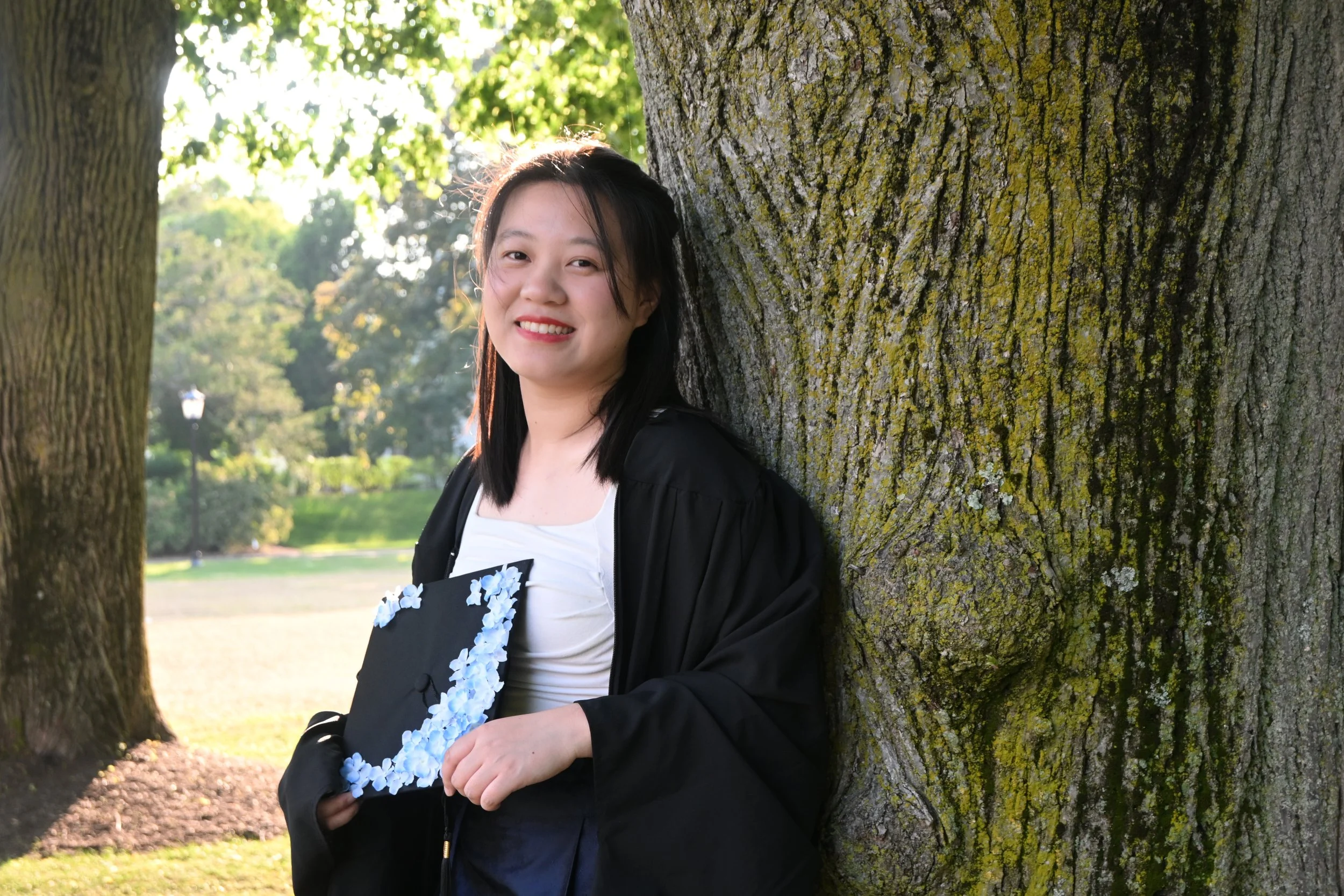
Vita (She/Her) supports clients whose eating concerns or body distress are tied to cultural expectations, family pressure, and the experience of living between cultures. Many of the people she works with grew up in homes where discipline, achievement, or appearance were closely watched, which made it hard to understand their own needs. Vita helps clients look at how family messages, migration, and cultural ideals about discipline or success shaped their relationship with food and worth, and how these patterns often began long before they could name them.
Her approach is calm, steady, and collaborative. She creates space for clients to understand what their body has been holding without shame. With Vita, clients can practice reconnecting with hunger, rest, comfort, and self-trust in ways that feel possible for them. She pays close attention to how culture, identity, and past experiences shape a person’s sense of safety and belonging. Her goal is to help clients build a relationship with food and self that feels honest, supportive, and grounded in their lived reality.
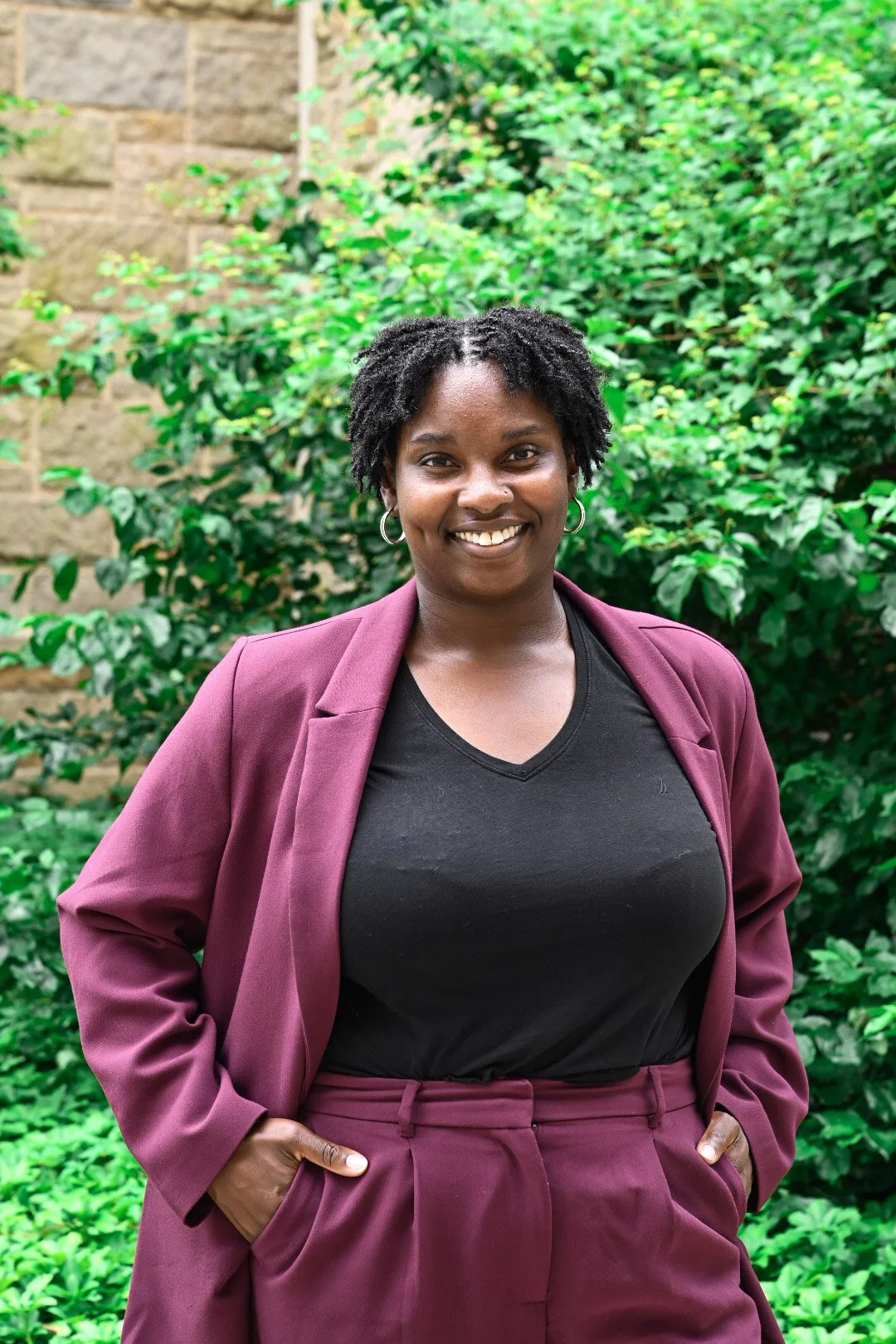
Blessing Egbuogu (She/her) supports Black, immigrant, and multicultural parents whose experiences of pregnancy, birth, and early parenthood have been shaped by systemic neglect, racialized care, and the expectation to stay strong no matter what they are carrying. She works with people navigating postpartum depression, anxiety, birth trauma, identity shifts, and the quiet pressures that come from raising a family across cultures, borders, and conflicting expectations.
Blessing’s approach is relational and culturally rooted, recognizing how survival strategies often formed in families, migration stories, or medical systems that have not always listened to Black women or immigrant parents. She helps clients make sense of exhaustion, fear, or overwhelm without blame, and supports them in naming the losses or ruptures that were minimized by others.
Her sessions offer space to reconnect with needs that were pushed aside for too long and to consider what care, rest, and support could look like when defined on their own terms.
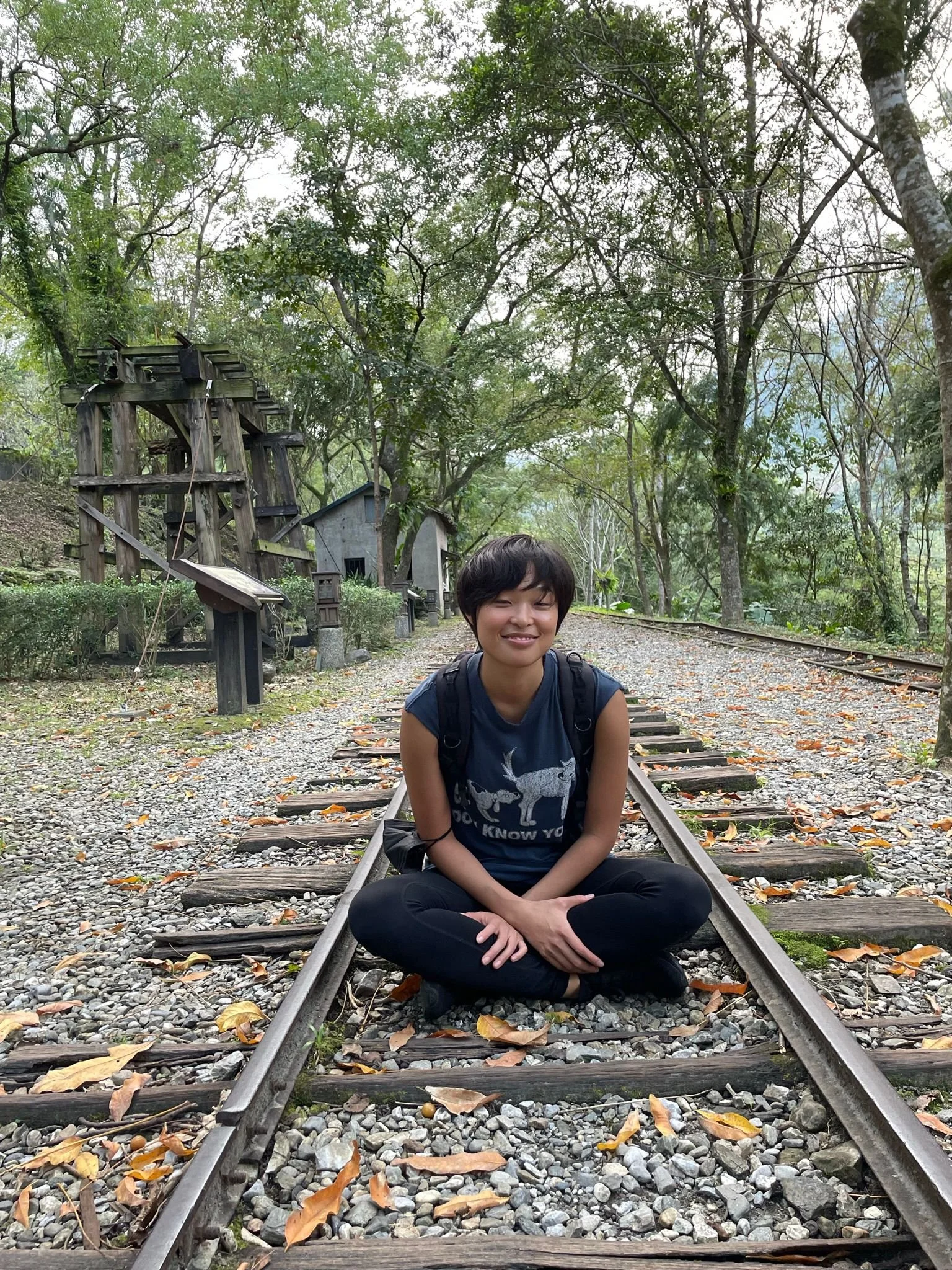
Shannon Kang (She/Her) works with clients whose relationships with food and body have been shaped by systems that rewarded obedience, punished difference, or treated control as the only acceptable form of safety. She pays close attention to how colonial beauty ideals, gender rules, racialized expectations, and family survival strategies can teach someone to shrink themselves in order to belong. Many of the people she supports learned to manage visibility, desire, or grief through restriction, perfection, or secrecy long before they had words for what they were surviving.
Shannon’s work invites clients to look at these patterns not as personal shortcomings but as responses to forces that demanded assimilation and silence. She holds space for the anger, numbness, and longing that often sit beneath eating concerns, and helps clients trace how their body learned to carry these histories. Her approach is relational and politically conscious, centering dignity and agency while questioning the norms that created the harm in the first place.
With Shannon, clients can explore what it means to have a body on their own terms, not the terms set by colonial standards, family rules, or systems that mistaken compliance for health.

Meet More Of Our Therapists
Many of our clinicians have lived experience and deep training in working with queer, BIPOC, and neurodivergent communities.
While we don’t publicly list individual identities for privacy and safety, we are committed to matching you with someone who aligns with your needs.
During your free consultation call, let us know what you’re looking for, whether that’s a queer-affirming therapist or someone with specific cultural understanding, and we’ll do our best to connect you with the right fit. You deserve care that sees the full picture.

FAQs
-
We use the term eating concerns to include any kind of struggle with food, appetite, body image, guilt, or rules around eating. You do not need a formal diagnosis to reach out. Many people come in simply because food feels stressful or their body feels like a confusing place to live.
-
No. Many of our clients have never been diagnosed. Some grew up with pressure around appearance or discipline. Some use food or restriction to cope with stress or uncertainty. Others are not sure what is going on. You are welcome at any point in your journey.
-
Feeling “not sick enough” is extremely common. Your struggles deserve attention even if you are functioning on the outside. You do not have to reach a crisis point to get support.
-
Culture affects everything. Many clients grew up in families that valued discipline, thinness, politeness, or high achievement. Others grew up with complex relationships to food because of migration, scarcity, or mixed messages about body size. We explore how these forces shaped your patterns with care.
-
Yes. Many clients come in because gender expectations and body norms have shaped how they see themselves. We take a gender-affirming, anti-oppressive approach that honors the complexity of your experience.
-
Many people with eating concerns learned to stay quiet or manage everything alone. You do not need to have the perfect words. We move at your pace and help you notice what your body has been holding.
-
Yes. Many clients come from homes where food, expectations, and appearance carried cultural meaning. We understand how these layers shape shame, belonging, and worth.
-
That is completely okay. Eating concerns are often connected to stress, grief, identity, trauma, or relationships. We hold the whole picture with you.